
The societal costs of gambling unraveling the hidden impacts
The Historical Context of Gambling
The practice of gambling has roots that stretch back thousands of years, appearing in various cultures as a form of entertainment, competition, and sometimes even ritual. From ancient civilizations using dice made from bones to the sophisticated gaming establishments of today, gambling has evolved significantly. In fact, many new players are drawn to games like aviator, which illustrate this ongoing transformation. This historical journey reflects not only the changing nature of the activity itself but also the societal attitudes surrounding it.
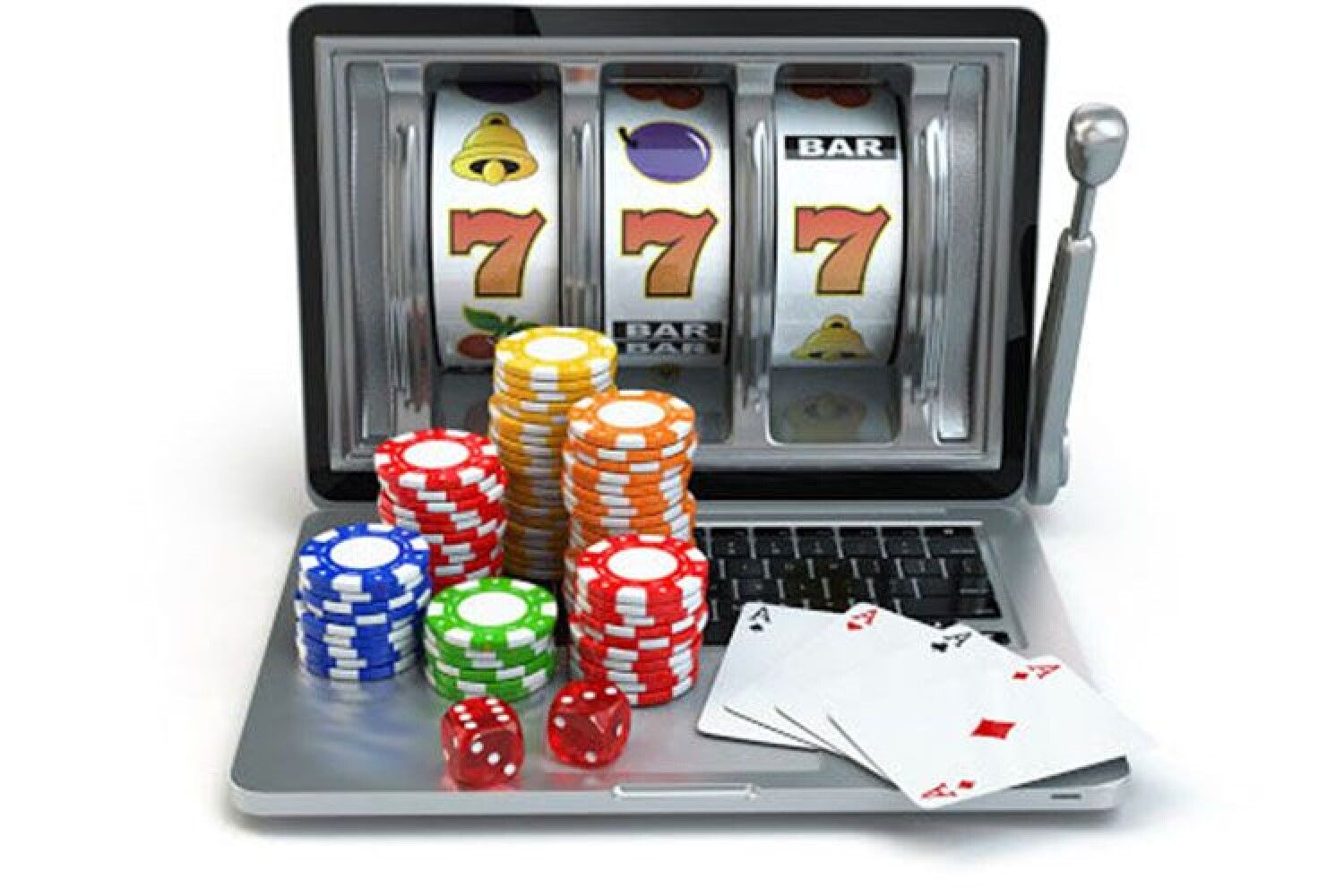
Historically, gambling has often been perceived as a harmless pastime, but as societies evolved, the impacts of these activities became more evident. In many cultures, gambling was seen as a rite of passage or a way to test one’s luck and skill. However, the increasing accessibility of gambling options has prompted a reevaluation of its social implications, making it essential to understand the deeper societal costs involved.
The Economic Implications of Gambling
While gambling is frequently touted as a source of revenue for governments and local economies, its economic implications are more nuanced than they appear. The industry generates significant tax revenues, creates jobs, and can stimulate tourism. However, these benefits often come at a steep price, as the societal costs associated with gambling can overshadow its economic advantages.
These costs encompass a wide range of issues, including increased healthcare expenses, addiction treatment, and law enforcement efforts to combat gambling-related crimes. When individuals fall into the trap of gambling addiction, not only do they suffer, but their families and communities bear the brunt of the financial fallout, leading to a cycle of debt and economic instability.
The Psychological Impact of Gambling
The psychological effects of gambling extend beyond individual players, often affecting families and communities. Gamblers can experience a range of emotional challenges, including anxiety, depression, and isolation. The thrill of gambling can lead to compulsive behaviors, where individuals prioritize gambling over essential responsibilities like work and family obligations.
This psychological turmoil can manifest in various ways, leading to strained relationships and increased levels of stress among loved ones. The ripple effects of gambling addiction can destabilize households, causing significant harm to mental health and emotional well-being. Recognizing these psychological impacts is crucial for developing effective support systems for those affected.
Community Consequences and Social Dynamics
The presence of gambling establishments can change the social fabric of a community. While some argue that casinos and gaming houses can revitalize local economies, others contend that they can lead to increased crime rates, addiction, and societal division. Communities with high concentrations of gambling venues often see a rise in social issues, including substance abuse and mental health crises.
As gambling becomes more ingrained in community dynamics, it can create disparities between those who benefit from the industry and those who suffer the consequences. This divide can foster resentment and exacerbate social tensions, leading to a fragmented society where the negative impacts of gambling are felt disproportionately among vulnerable populations.

Enhancing Your Understanding of Gambling’s Societal Costs
At our platform, we aim to shed light on the complex societal costs associated with gambling. We recognize that understanding these hidden impacts is vital for fostering informed discussions and creating supportive environments for those affected by gambling-related issues. Our resources are designed to help users navigate the multifaceted dimensions of gambling and its effects.
We invite you to explore our offerings, which include insights into the historical evolution of gambling, its economic and psychological ramifications, and the broader community dynamics at play. By equipping yourself with knowledge, you can engage more meaningfully in conversations about gambling and contribute to a more informed society.